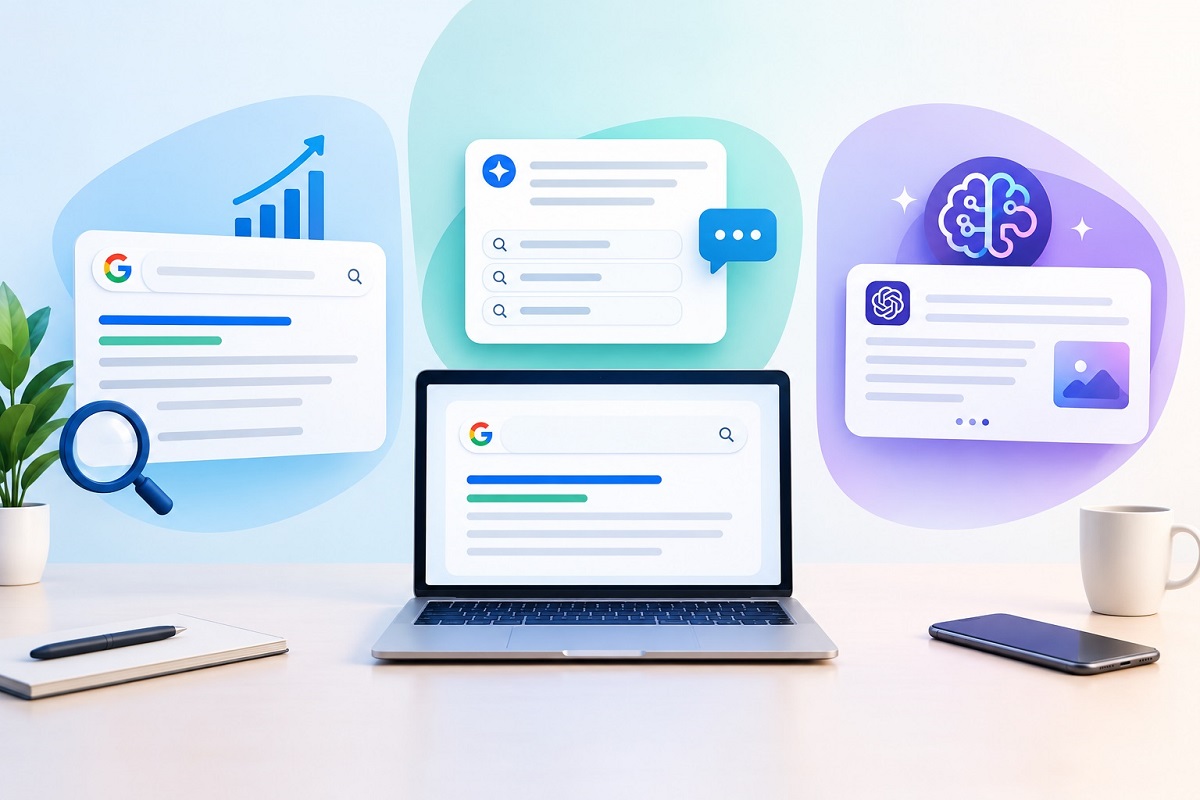
Search behaviour is changing rapidly. People no longer rely only on traditional search engines to find products, services and businesses. They also ask questions through voice assistants, explore AI-powered search experiences and use tools such as ChatGPT to research solutions before making decisions. For businesses, this creates new opportunities to reach potential customers across different digital platforms.
Understanding SEO vs AEO vs GEO is becoming increasingly important for companies that want to improve their online visibility. Search Engine Optimization (SEO) helps websites appear in traditional search results, Answer Engine Optimization (AEO) focuses on providing direct answers to user questions, and Generative Engine Optimization (GEO) aims to improve a brand’s visibility in AI-generated responses.
Although these approaches have different objectives, they share a common foundation: useful content, reliable information and a website that delivers a positive user experience. The right approach depends on your business goals, audience and the way potential customers search for information.
What Is SEO (Search Engine Optimization)?
Search Engine Optimization is the process of improving a website so that it can attract relevant organic traffic from search engines such as Google and Bing. A well-planned SEO strategy helps search engines discover, understand and rank your website’s pages for relevant searches.
Traditional SEO includes several important activities. These include keyword research, technical SEO, on-page optimization, content creation, internal linking, website performance improvements and earning relevant backlinks.
For example, a web design company might create a page targeting the keyword “professional website design services in the UK”. By publishing helpful content, optimizing page titles and headings, improving loading speed and building website authority, the company can increase its chances of appearing when potential customers search for those services.
SEO is particularly valuable because it can attract users at different stages of the buying journey. Some visitors are looking for information, while others are comparing providers or actively searching for a service.
However, SEO is not simply about adding keywords to web pages. Search engines aim to provide relevant, trustworthy results that satisfy user intent. Businesses should therefore focus on creating original content that answers genuine questions and demonstrates relevant expertise.
What Is AEO (Answer Engine Optimization)?
Answer Engine Optimization focuses on making website content easier for search engines, voice assistants and AI-powered answer systems to understand and use when responding to questions.
Unlike a traditional SEO strategy that often targets rankings and website visits, an AEO strategy places particular emphasis on providing clear, direct and useful answers to specific questions.
For example, a potential customer might ask, “How much does professional SEO cost?” A website that provides a straightforward explanation, discusses the factors affecting pricing and answers common follow-up questions may be better positioned to serve this search intent.
Effective Answer Engine Optimization involves structuring content around real customer questions. Clear headings, concise explanations, descriptive lists and relevant FAQs can help users find information quickly. Structured data may also help search engines understand the meaning of specific page elements when implemented correctly.
Businesses should avoid publishing vague or unnecessarily complicated answers. Instead, provide the main answer early in the section, followed by supporting details, examples and practical recommendations.
AEO does not guarantee that a search engine or AI system will select your content as an answer. Eligibility depends on the platform, query, content quality and other factors. Nevertheless, making information clear and accessible can improve the overall usefulness of your website.
What Is GEO (Generative Engine Optimization)?
Generative Engine Optimization is the practice of improving a brand’s chances of being discovered, mentioned or referenced in AI-generated responses. These responses may appear in conversational AI tools and search experiences that synthesize information from multiple sources.
GEO is particularly relevant as customers increasingly use AI tools to research companies, compare products and understand complex topics before making purchasing decisions.
For example, someone might ask an AI assistant, “Which digital marketing agency can help a small business improve its search visibility?” A business with useful service pages, detailed case studies, consistent company information and credible third-party mentions may have stronger foundations for being considered by relevant AI systems.
A practical GEO strategy focuses on producing original, informative and well-supported content. Businesses can publish expert explanations, comparison guides, research-backed articles, case studies and detailed answers to industry-specific questions.
Brand reputation also matters. Consistent information across trusted websites, relevant editorial mentions and genuine customer reviews can help establish credibility, although no particular activity guarantees inclusion in AI-generated answers.
Generative Engine Optimization is not a replacement for traditional SEO. Many AI-powered search experiences rely partly on search indexes, retrieved web pages and other information sources. A technically accessible website with useful, well-organized content can therefore support both traditional search visibility and GEO efforts.
SEO vs AEO vs GEO: What Is the Difference?
Understanding the difference between SEO, AEO and GEO helps businesses allocate their marketing resources more effectively.
SEO focuses on organic search visibility. Its primary objective is to help relevant web pages appear in search results and attract qualified visitors. Keyword targeting, technical performance, content optimization and backlinks are common areas of focus.
AEO focuses on answering questions. It aims to make information easy to understand, extract and present in response to specific user queries. Clear definitions, concise explanations and question-led content are particularly useful.
GEO focuses on visibility in generative AI responses. It emphasizes informative content, verifiable claims, topical expertise and credible brand information that AI systems may use when generating responses.
These approaches overlap considerably. A comprehensive guide can rank in search results, answer common customer questions and provide useful information for AI-generated responses.
The important distinction is the desired outcome. SEO helps users discover your website through organic search. AEO helps your content serve direct-answer experiences. GEO aims to increase your visibility within generative AI experiences.
Which Is Better for Businesses: SEO, AEO or GEO?
The answer to “Which is better for businesses SEO AEO or GEO?” depends on how your customers discover information and what you want to achieve.
For businesses that depend on website traffic, local searches, product discovery or service-related keywords, SEO should generally remain a core priority. It provides a foundation for long-term organic visibility and helps potential customers find relevant pages.
AEO can be particularly useful for businesses in industries where customers ask detailed questions before making decisions. Professional services, healthcare information providers, educational businesses and technology companies can benefit from explaining processes, costs, features and common problems clearly.
GEO is worth incorporating when your audience uses AI-powered tools to research brands, evaluate solutions or compare providers. Publishing well-supported content and strengthening your brand’s online credibility can help prepare your business for these changing discovery habits.
For most companies, the best answer is not to choose just one. A combined approach can support visibility across traditional search results, direct answers and AI-generated recommendations.
How to Choose Between SEO, AEO and GEO Strategies?
When deciding how to choose between SEO, AEO and GEO strategies, begin by identifying your business objectives.
If your priority is generating qualified organic traffic, improving service-page rankings or attracting local customers, invest in SEO fundamentals first. Research relevant keywords, improve your website structure, optimize important landing pages and publish content that matches user intent.
If customers frequently ask the same questions before contacting your business, expand your AEO strategy. Create dedicated sections addressing pricing, processes, benefits, comparisons and common concerns. Make answers easy to find and support them with accurate explanations.
If you want to improve your brand’s presence in AI-powered search, develop your GEO strategy alongside these activities. Publish authoritative resources, demonstrate subject knowledge, maintain accurate business information and seek genuine mentions from relevant, credible publications.
Small businesses do not need to implement everything at once. Start with the pages and questions most closely connected to your products or services. Monitor performance, identify content gaps and improve the strategy as you gather evidence about what works.
How Businesses Can Improve Visibility in AI Search Results?
Businesses can take several practical steps to improve their readiness for AI-powered search experiences.
First, create content that answers specific questions comprehensively. Instead of publishing several short articles covering nearly identical topics, develop useful resources that explain a subject clearly and include relevant examples.
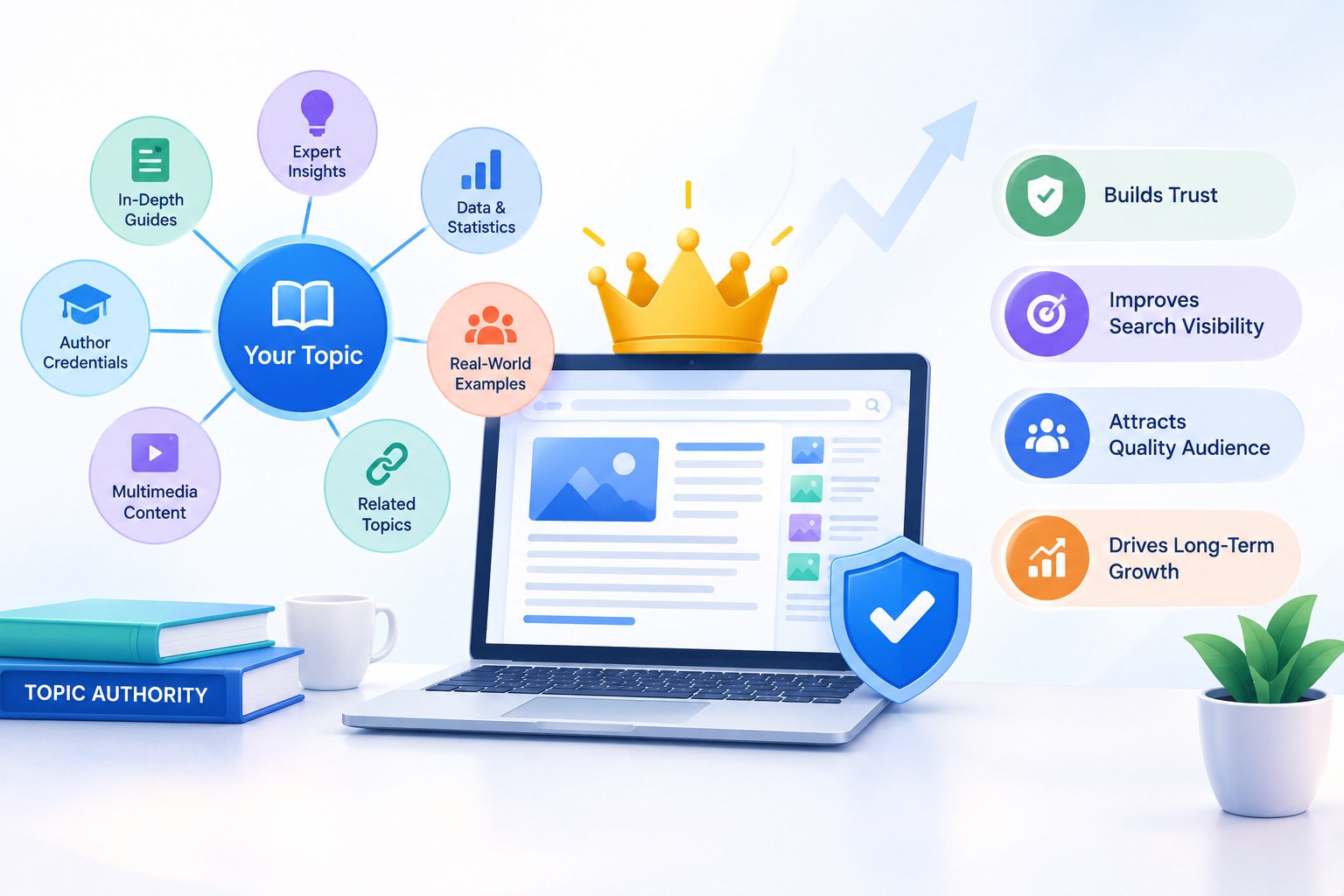
Second, demonstrate real expertise. Include accurate information, original insights, practical experience and credible supporting sources where appropriate. Avoid unsupported statistics, exaggerated claims and content created solely to repeat target keywords.
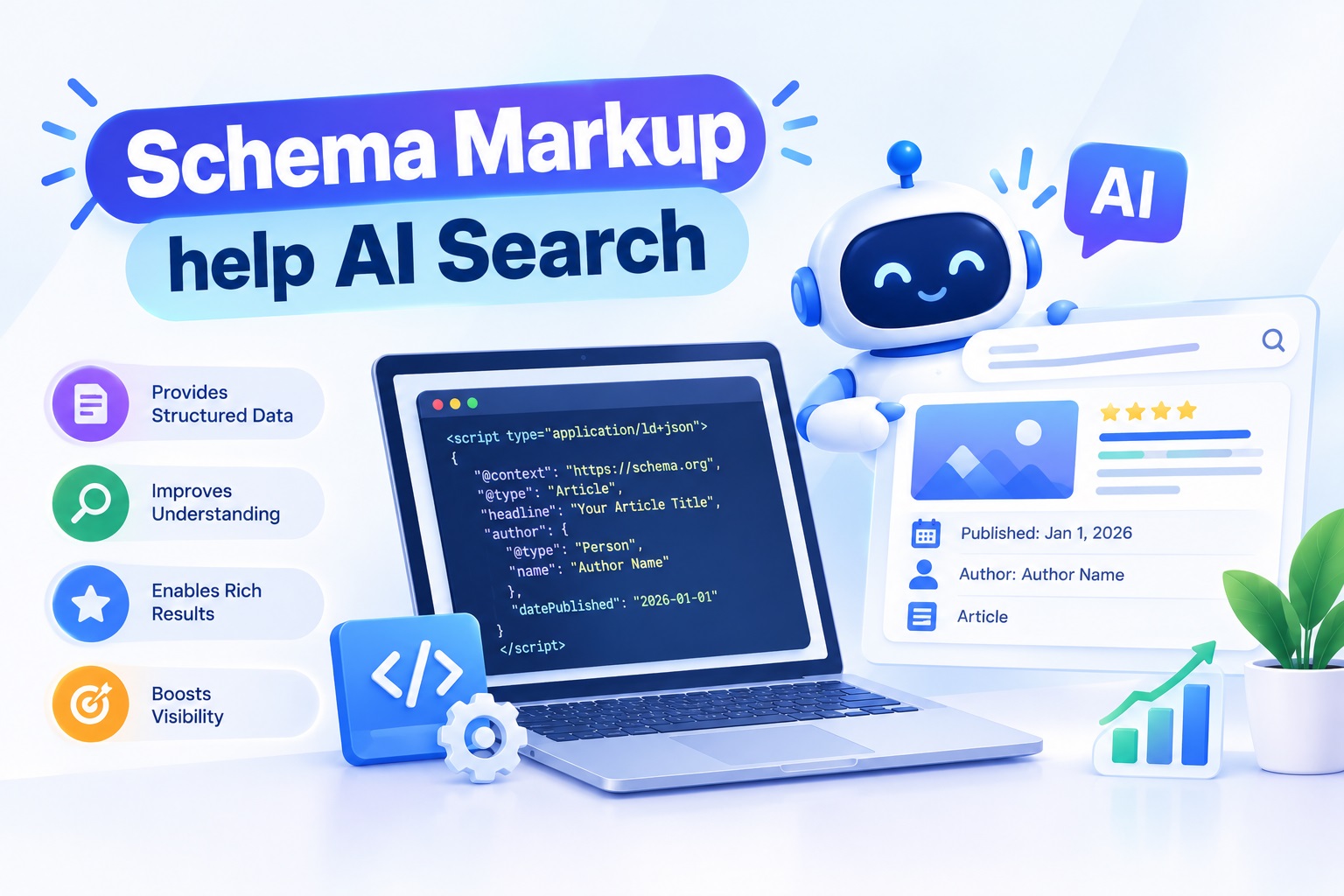
Third, strengthen your website’s technical foundations. Ensure important pages can be crawled and indexed, use descriptive headings, maintain logical internal links and make the website accessible on mobile devices. Structured data can help search engines interpret content, but it does not guarantee enhanced visibility in search or AI responses.
Fourth, build a consistent and credible brand presence. Keep company details accurate and seek relevant editorial coverage, partnerships and legitimate industry mentions. Avoid artificial link schemes or fabricated reviews.
Finally, measure meaningful results. Track organic impressions, rankings, qualified website traffic, enquiries and conversions. Where reporting tools provide relevant data, monitor referrals from AI platforms and record how customers discover your business.
These activities support a sustainable approach to AI Search Optimization rather than relying on quick fixes or guaranteed ranking promises.
Benefits of SEO, AEO and GEO for Digital Marketing
Combining these approaches can help businesses build a stronger digital marketing strategy.
SEO can attract users who are actively searching for relevant information, products or services. AEO can make content more useful to people seeking quick and accurate answers. GEO can help businesses prepare for discovery through AI-generated summaries and recommendations.
Together, these methods encourage companies to create clearer content, strengthen brand credibility and address customer needs throughout the buying journey.
They can also improve content planning. Keyword research reveals what people search for, customer questions highlight information gaps, and industry research identifies opportunities to publish original insights.
However, success should not be measured by visibility alone. Businesses should connect their search strategy to qualified leads, sales, enquiries and other outcomes that support growth.
How to Combine SEO, AEO and GEO for Better Online Visibility?
The most practical approach is to build one integrated content strategy rather than maintaining three disconnected marketing campaigns.
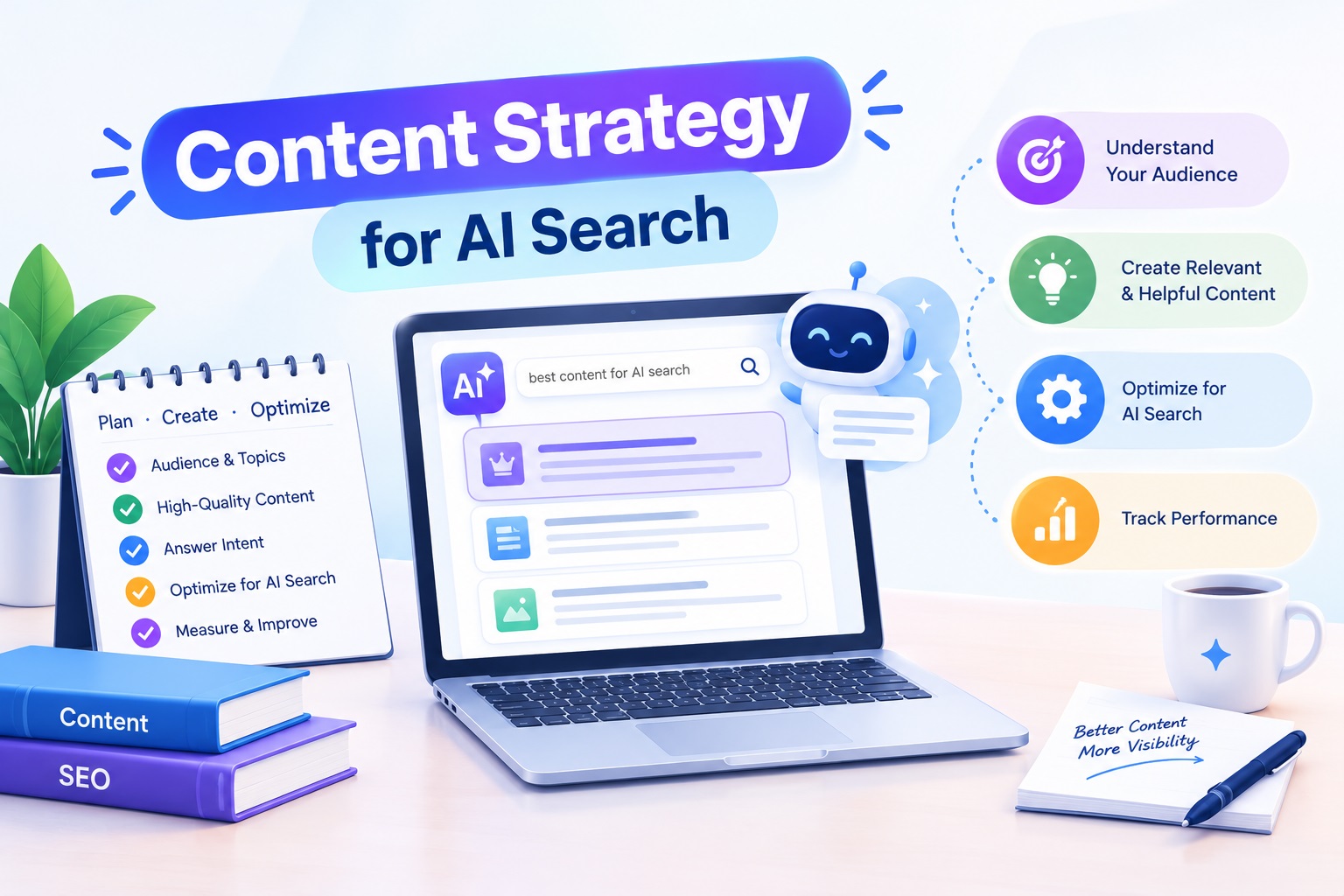
Start with keyword and audience research to identify the topics your potential customers care about. Create comprehensive pages that address those topics, use clear headings and provide direct answers to important questions. Support the content with relevant internal links, credible sources and useful examples.
Next, improve technical SEO and ensure search engines can access the pages you want discovered. Add appropriate structured data where it accurately represents the visible content. Develop your brand’s credibility through original research, expert contributions and genuine third-party recognition.
Review performance regularly and update content when information changes. Use analytics and search performance reports to identify pages that attract relevant visitors, questions that remain unanswered and opportunities to improve conversions.
For companies seeking professional guidance, SEOBuckinghamshire provides digital marketing and SEO services designed to help businesses strengthen their online presence. A well-planned strategy can align website optimization, useful content and brand visibility with measurable business objectives.
Build a Search Strategy That Supports Your Business Growth
The discussion around SEO vs AEO vs GEO reflects a broader change in how people discover information online. Traditional search remains important, while direct-answer experiences and generative AI introduce additional opportunities for businesses to reach potential customers.
Rather than abandoning SEO for a new trend, build on its foundations. Create helpful content, answer customer questions clearly, maintain a technically sound website and establish credibility across relevant online sources.
By combining Search Engine Optimization, Answer Engine Optimization and Generative Engine Optimization, your business can develop a more adaptable approach to digital visibility. Start with the strategy that best matches your current goals, measure the results and expand your efforts as customer behaviour evolves.
If you’re looking for expert SEO services to help manage content audits, updates, and optimization strategies, reach out to SEO Buckinghamshire—a leading digital agency in the UK with over 10 years of experience in SEO, web design, and digital marketing.