Local search is changing as customers increasingly use search engines, AI-powered tools, and conversational assistants to find businesses, compare services, and make purchasing decisions. Whether someone is searching for a nearby restaurant, a reliable plumber, a digital marketing agency, or a professional service provider, businesses need to be visible wherever potential customers look for answers.
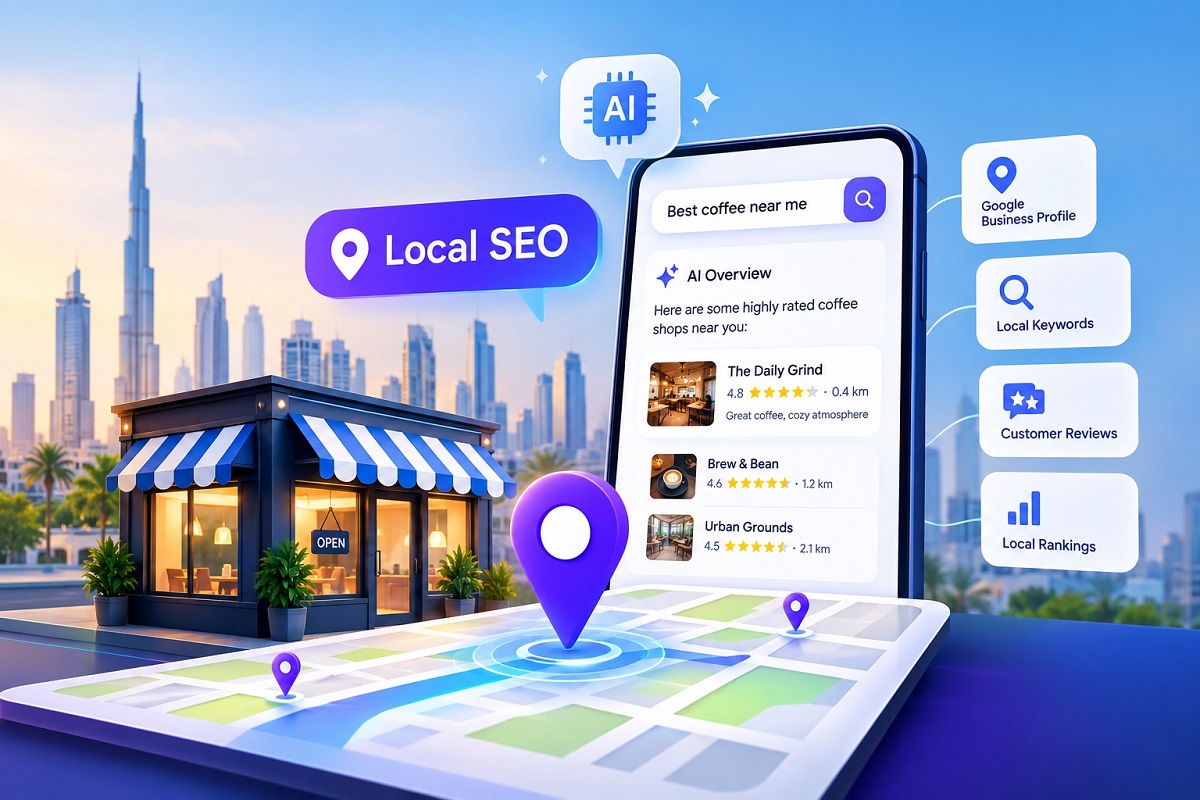
This is where Local SEO in the age of AI search becomes important. Traditional search engine optimisation helps businesses appear in relevant Google results and Google Maps, while AI search optimisation focuses on making business information clear, trustworthy, and useful for AI-powered search experiences.
For small businesses and established companies alike, combining these approaches can improve online discoverability, strengthen customer trust, and create more opportunities to attract local enquiries.
What Is Local SEO and Why Does It Matter?
Local SEO is the process of improving a business’s online presence so that it can appear in search results for location-based searches. These searches often include a town, city, neighbourhood, or phrases such as “near me”.
For example, someone looking for a digital marketing agency in London may search for “SEO services in London” or “best local SEO company near me”. Search engines use various signals to determine which businesses are relevant to these searches.
An effective local business SEO strategy typically includes optimising the website, maintaining an accurate Google Business Profile, earning genuine customer reviews, building relevant local citations, and creating helpful location-specific content.
Local SEO services help businesses implement these activities systematically rather than relying on occasional updates or isolated keyword changes.
Strong local search optimisation is particularly valuable for businesses that depend on customers in specific geographical areas. It helps potential customers discover relevant services when they are actively looking for solutions.
How AI Search Is Changing Local SEO?
AI-powered search experiences are changing how people discover and evaluate businesses. Instead of simply presenting a list of website links, some search experiences provide conversational answers, summarise information, compare options, and direct users towards relevant sources.
Google AI Overviews, AI-powered search features, and conversational tools such as ChatGPT can influence how people research businesses and services. Depending on the platform, location, query, and available information, users may encounter business websites, reviews, recommendations, or information drawn from multiple sources.
Understanding how AI search is changing local SEO means recognising that visibility is no longer just about ranking for a particular keyword. Businesses also need accurate information, useful content, credible reputation signals, and a website that clearly explains what they offer and where they operate.
However, AI-generated answers do not guarantee that a business will be mentioned, even when its website ranks well in traditional search results. Each platform uses its own systems, and visibility can vary.
The practical goal is to build a strong online presence that serves both traditional search engines and newer AI-powered discovery experiences.
How to Get Your Business Discovered in AI Search?
Businesses do not need to abandon traditional SEO to adapt to AI search. Instead, they should strengthen the fundamentals while making their information easier for search engines and AI systems to understand.
1. Optimise Your Google Business Profile
Your Google Business Profile is an essential part of local search visibility. It can help customers discover your business through Google Search and Google Maps, access contact details, read reviews, and understand the services you provide.
To understand how to optimise Google Business Profile for AI search, start by ensuring that your business name, address, phone number, opening hours, website URL, and service categories are accurate and consistent.
Choose the most relevant primary business category and add appropriate secondary categories. Describe your services clearly, upload genuine photographs, and keep your business information up to date.
Respond professionally to customer reviews and answer questions where possible. These activities help customers make informed decisions and contribute to a trustworthy online presence.
Although profile optimisation does not guarantee inclusion in AI-generated answers, accurate and detailed business information provides a stronger foundation for local discovery.
2. Build a Website That Answers Real Customer Questions
A business website should explain what the company does, who it serves, where it operates, and how customers can get in touch.
Many websites focus heavily on promotional language without answering the questions potential customers actually ask. This can leave visitors uncertain about whether a business meets their needs.
Create useful pages that explain your services, pricing considerations, processes, service areas, and frequently asked questions. For example, a local SEO agency could publish practical guidance about improving Google Maps visibility, managing business listings, and attracting customers through local search.
This approach supports both conventional SEO and AI search optimisation by making relevant information accessible and understandable.
Businesses should also organise content with descriptive headings, concise explanations, meaningful internal links, and clear contact details. The objective is to help readers find accurate answers without unnecessary effort.
3. Strengthen Your Website’s Local Relevance
Location-specific content helps search engines understand where a business operates and which customers it serves.
If your company serves several towns or cities, create useful service-area pages that explain the services available in each location. Include locally relevant information, examples of work, customer questions, and details about the area’s specific needs where appropriate.
Avoid creating dozens of nearly identical pages that differ only by location name. Thin or repetitive content offers little value to visitors and may weaken the overall quality of your website.
Effective local SEO strategies to attract more customers near me should focus on genuine local relevance rather than repeatedly inserting the phrase “near me” into website copy.
A well-written location page should demonstrate a real connection to the area and provide information that helps potential customers choose the right service provider.
4. Create Content That Demonstrates Expertise
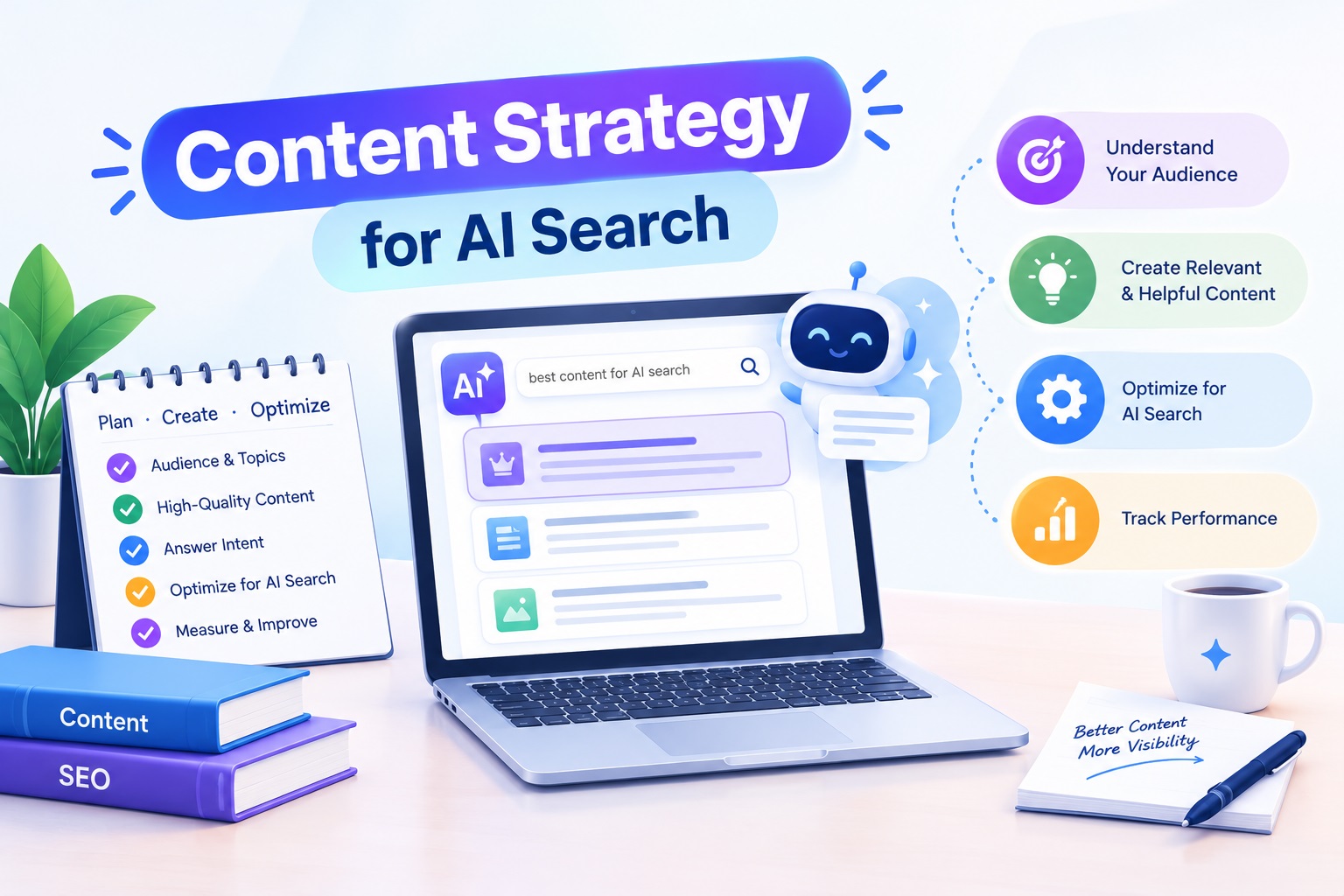
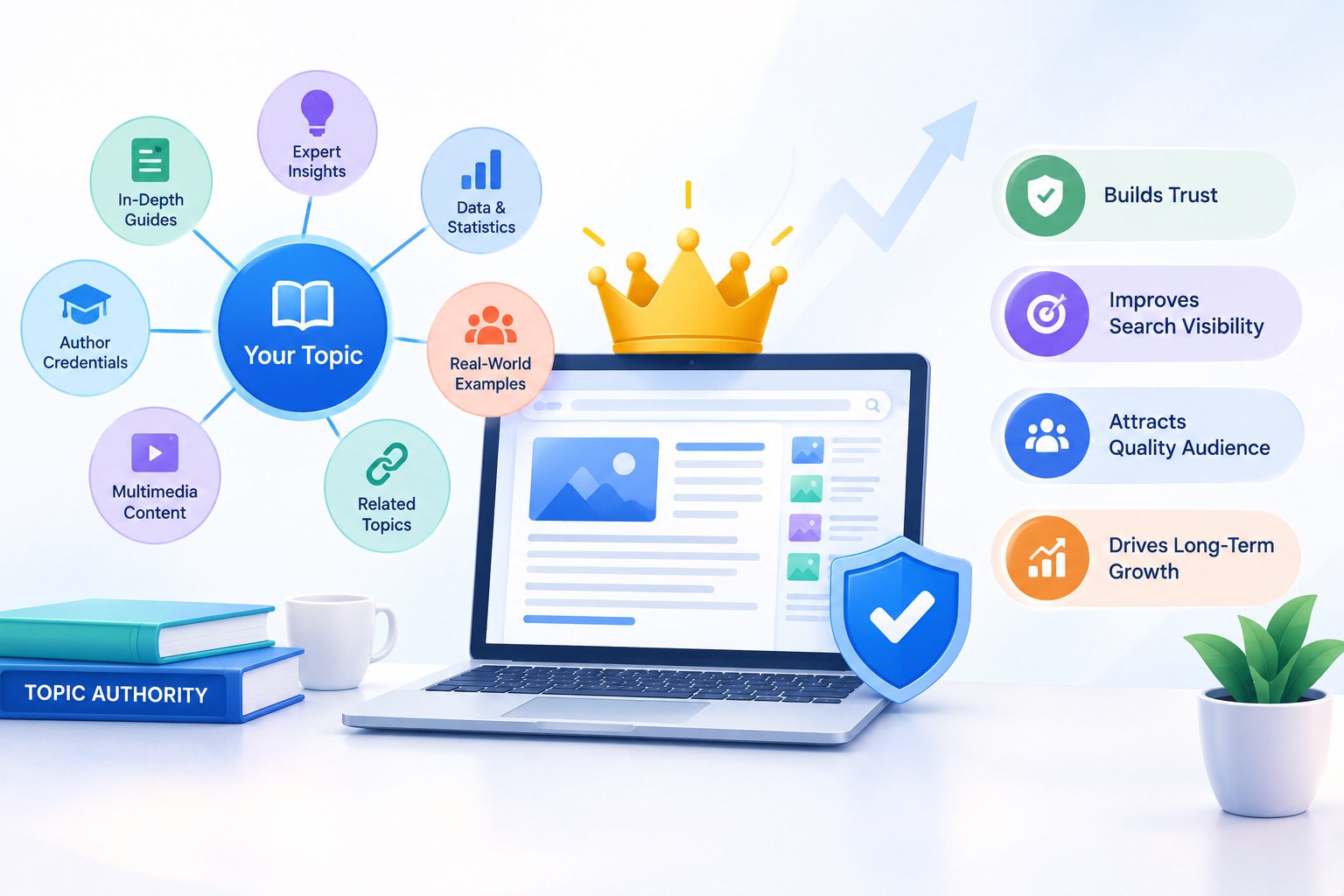
Useful, reliable content can help businesses build authority and earn greater visibility across search platforms.
Publish articles that address common customer concerns, explain industry terminology, compare available solutions, and offer practical recommendations. Where relevant, support claims with credible sources, real examples, and up-to-date information.
For instance, an accounting firm might publish a guide to preparing tax records, while a web design company could explain how website speed affects user experience and search performance.
This is particularly important when considering how small businesses can improve visibility in AI-generated answers. Clear explanations, specific facts, and well-organised information make content easier for people to use and for search systems to interpret.
Do not write solely for AI tools. Content should be accurate, original, helpful, and written for the audience you want to reach.
5. Earn Genuine Reviews and Build Trust
Customer reviews influence how people assess local businesses. Potential customers often compare ratings, read feedback, and look for evidence that a company delivers reliable service.
Encourage satisfied customers to leave honest reviews without offering incentives in exchange for positive ratings. Respond to feedback professionally, including criticism, and use recurring comments to identify opportunities for improvement.
Maintain consistent business details across relevant directories and industry listings. Seek legitimate local partnerships, community mentions, and relevant editorial links where appropriate.
These activities help establish a credible online reputation. While no single review or directory listing guarantees AI visibility, trustworthy and consistent information supports customer confidence and a stronger local presence.
Best Local SEO Strategies for AI-Powered Search Engines
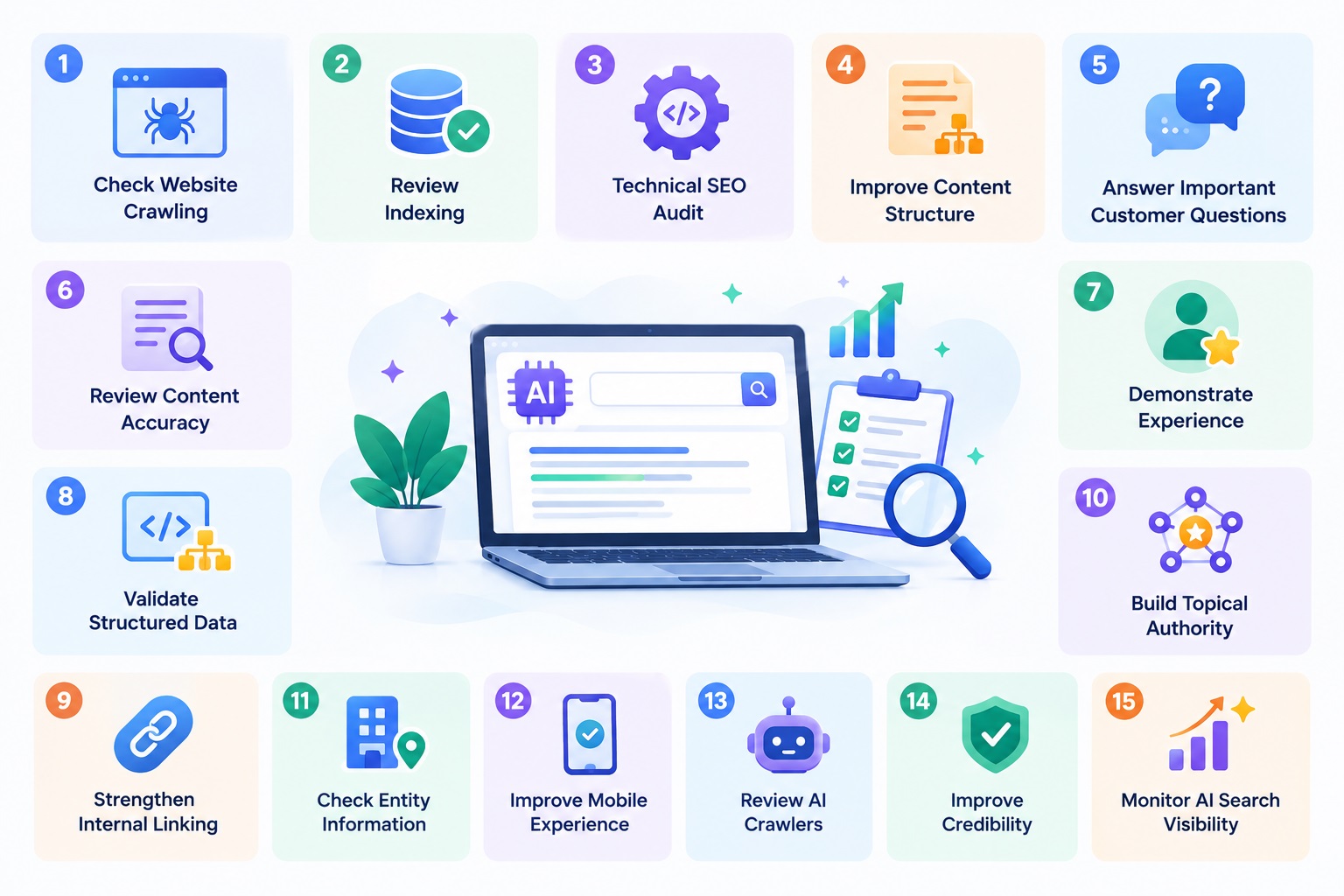
The best local SEO strategies for AI-powered search engines combine technical quality, useful content, accurate business information, and a strong reputation.
Start with your website’s technical foundations. Ensure that important pages can be crawled and indexed, the website works well on mobile devices, and pages load efficiently. Use HTTPS, descriptive page titles, logical navigation, and accessible content.
Structured data can also help search engines interpret information about your organisation, local business, services, and website. Implement relevant schema markup, such as LocalBusiness where appropriate, and ensure that the structured data matches the visible content on your pages. Schema does not guarantee enhanced rankings or AI citations.
Businesses should also consider how to optimise local business websites for ChatGPT and Google AI Overviews. Focus on clearly explaining services, publishing reliable information, establishing topical expertise, and making important facts easy to verify. Where a platform supports web search, accessible and relevant website content may help it identify useful sources, but inclusion is never guaranteed.
Google Maps SEO remains important because many customers still use map listings to evaluate nearby businesses. Keep your profile accurate, maintain relevant categories, collect genuine reviews, and ensure your website supports the services and locations described in your listing.
How to Measure Local SEO and AI Search Performance?
Measuring results helps you understand which activities contribute to business growth.
Use Google Search Console to monitor website impressions, clicks, search queries, and page performance. Google Analytics can help you understand website engagement and conversions, such as enquiry form submissions or calls initiated from your website.
Your Google Business Profile performance data can provide additional insight into customer interactions, depending on the metrics available to your account.
For AI search, monitor relevant referral traffic, enquiries, and mentions of your business where these can be reliably observed. AI visibility is not measured consistently across platforms, so avoid relying on a single score as proof of success.
Review results regularly and connect SEO performance with meaningful business outcomes, including qualified leads, bookings, and sales.
Grow Your Local Visibility With a Smarter SEO Strategy
Local SEO remains essential, but businesses now need to consider how customers discover information across traditional search engines, maps, and AI-powered platforms. The strongest approach combines an accurate Google Business Profile, a technically sound website, helpful local content, genuine reviews, and consistent business information.
If you want to improve your local search rankings and adapt to changing discovery habits, investing in professional Local SEO services can help you build a more structured and sustainable strategy.
SEOBuckinghamshire helps businesses strengthen their online presence through SEO, website optimisation, and digital marketing. By focusing on relevant content, sound technical foundations, and measurable improvements, businesses can create better opportunities to reach customers searching for their services.
The aim is not simply to appear in more search results. It is to make your business easier to find, easier to understand, and more trustworthy when potential customers are ready to take action.
If you’re looking for expert SEO services to help manage content audits, updates, and optimization strategies, reach out to SEO Buckinghamshire—a leading digital agency in the UK with over 10 years of experience in SEO, web design, and digital marketing.