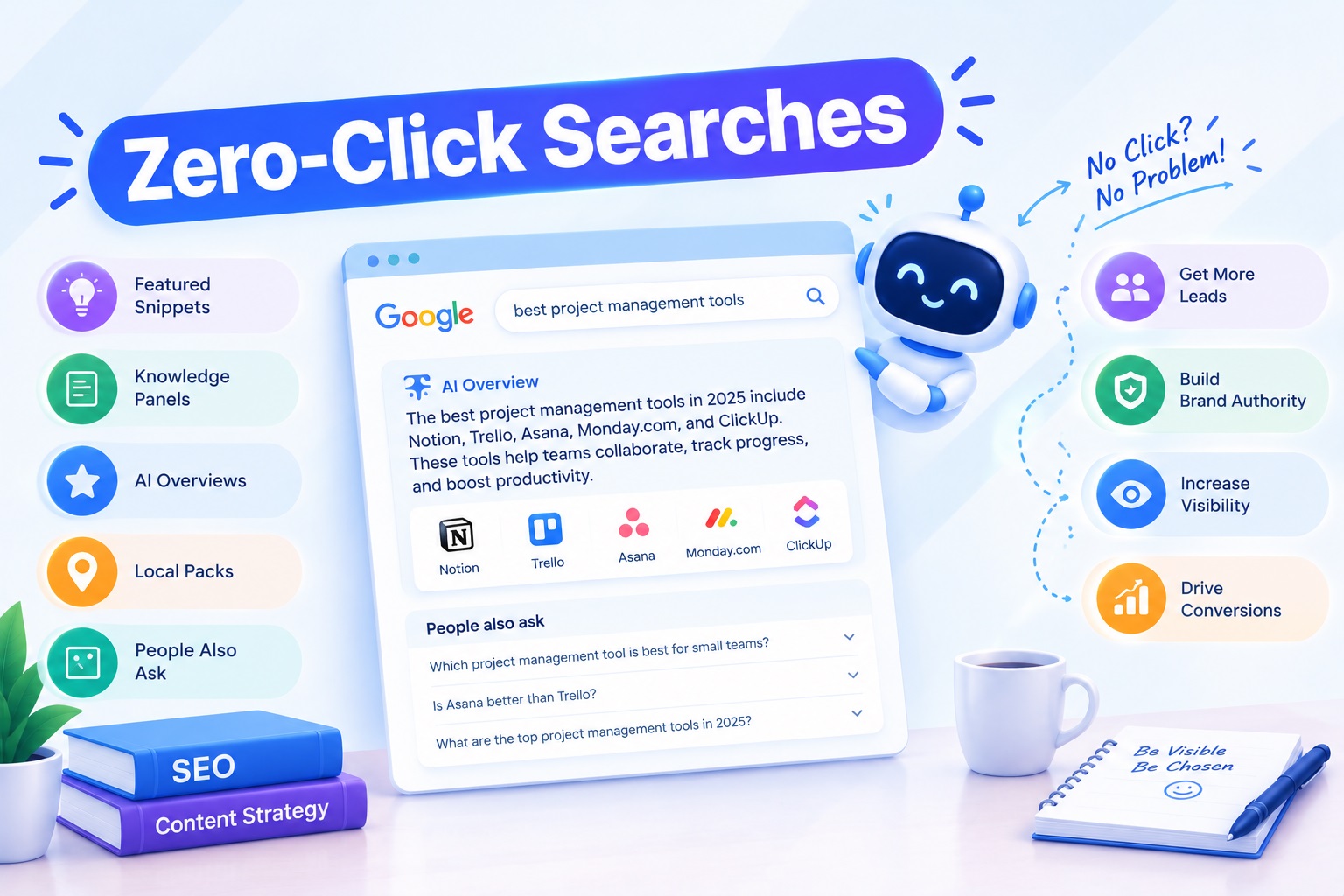
Google Search is changing the way people discover information online. Instead of displaying only traditional search results, Google can generate AI-powered summaries that answer questions and provide links to relevant websites. These summaries, known as Google AI Overviews, create new opportunities for businesses, publishers and marketers to reach audiences.
For website owners, understanding how to rank in Google’s AI Overview is becoming an important part of modern search engine optimisation. gh to support AI-generated answers. Traditional SEO remains essential, but content must also be clear, relevant, trustworthy and useful. In this guide, we explain practical AI Overview SEO strategies, important ranking considerations and examples to help improve your website’s visibility in AI-powered search results.
What Is Google AI Overview?
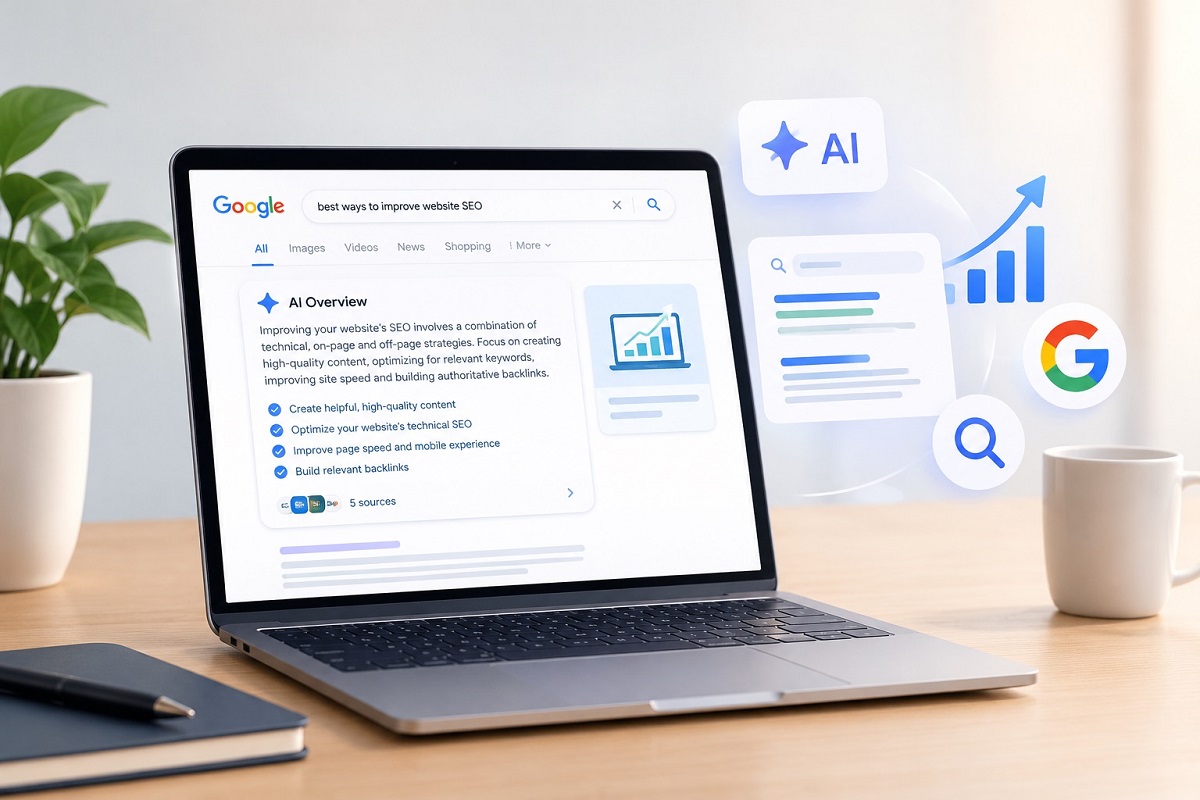
Google AI Overview is an AI-powered feature in Google Search that provides a summary of information relevant to a user’s query, often with links to supporting webpages. It helps people understand complex topics quickly while offering opportunities to explore the original sources.
For example, when someone searches for “How can a small business improve its website ranking?”, Google may present an overview covering technical SEO, useful content, website performance and link building.
Websites that provide relevant, reliable information may be included as supporting sources. However, appearing in an AI Overview is not guaranteed, even when a webpage ranks well in traditional search results. This makes AI search optimisation an important consideration for businesses that want to maintain visibility as search behaviour evolves.
How to Rank in Google’s AI Overview
There is no guaranteed formula for achieving an AI Overview placement. Google confirms that established SEO best practices remain relevant to its AI search features, with no additional technical requirements specifically for appearing in AI Overviews. The following strategies build on those established principles.
1. Create Helpful, People-First Content
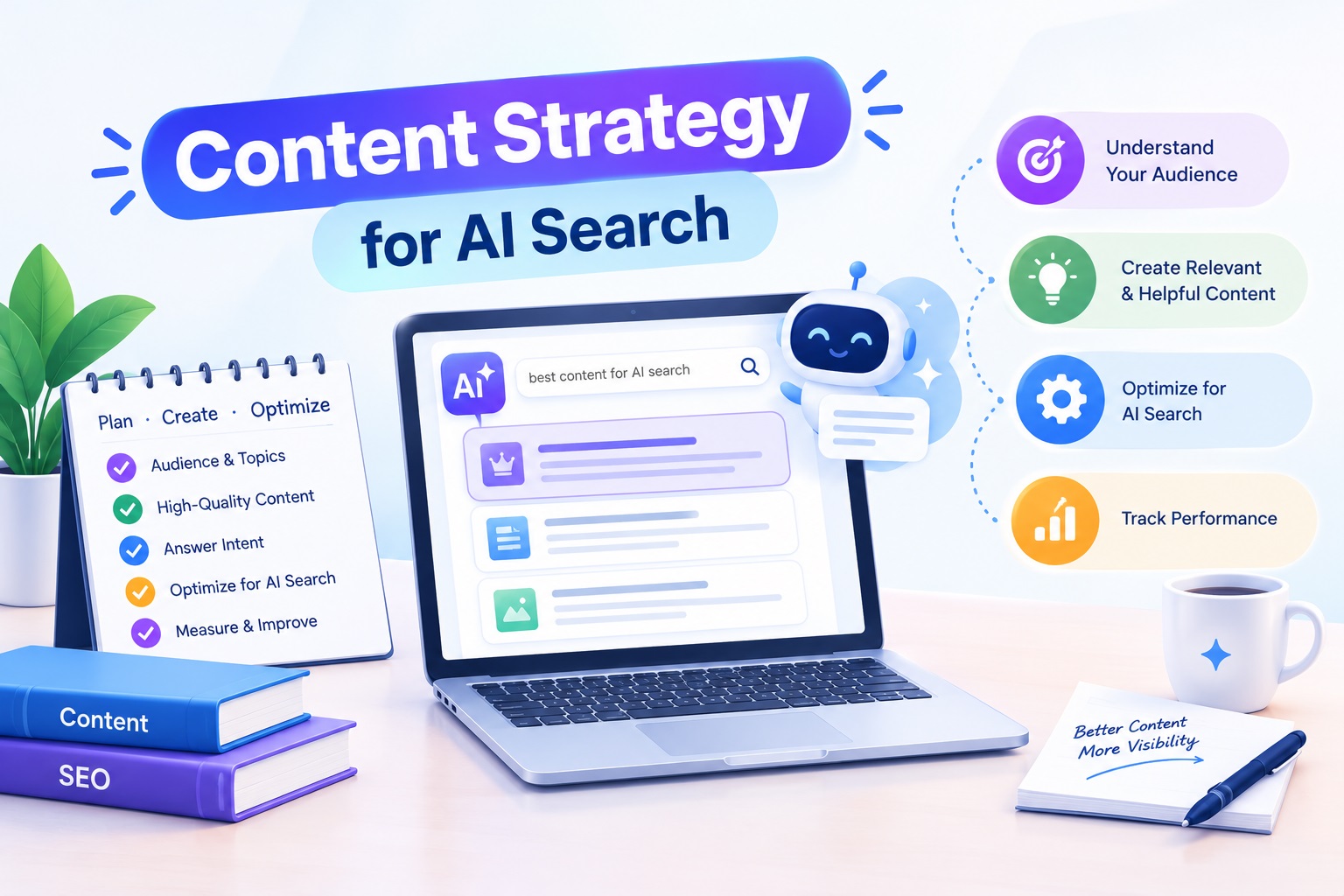
The foundation of successful AI SEO is content that genuinely answers users’ questions. Google aims to surface useful and reliable information rather than content created primarily to manipulate search rankings.
Instead of publishing generic articles that repeat existing information, explain the topic thoroughly, provide practical advice and include original insights wherever possible.
For example, an article about improving local SEO could explain how to optimise a Google Business Profile, maintain consistent business details, collect genuine customer reviews and measure local search performance.
This approach supports both traditional Google SEO strategies and Answer Engine Optimisation, helping users and search systems understand the value of your content.
2. Answer Search Queries Clearly and Directly
One of the best SEO strategies for Google AI Overviews is to make important information easy to identify.
Start relevant sections with a concise answer before expanding on the subject. Use descriptive headings that reflect the questions people actually search for, and avoid unnecessarily complicated explanations.
For example, a section titled “How long does SEO take to show results?” should begin with a direct explanation that SEO results vary according to competition, website condition, content quality and other factors.
You can then explain typical timelines, influencing factors and ways to measure progress.
This structure makes your article more useful to readers and easier to understand. It can also help Google identify relevant passages, although clear formatting alone does not guarantee an AI Overview citation.
3. Target Long-Tail Keywords and Conversational Questions
Broad keywords such as “AI SEO” and “Google AI Overview” can be competitive. Long-tail keywords often reveal a more specific user need and help you create focused content.
Consider targeting phrases such as:
- How to appear in Google AI Overviews
- How to get cited in Google AI Overviews
- Best SEO strategies for Google AI Overviews
- How to optimise blog posts for AI Overviews
- How to improve website visibility in AI search results
Use these keywords naturally in relevant headings, introductory paragraphs and supporting sections.
For example, a blog targeting “how to optimise blog posts for AI Overviews” should explain content structure, internal linking, factual accuracy, technical accessibility and content quality.
Avoid repeating the same keyword excessively. Google’s language systems can understand related terms and search intent, so a natural, comprehensive article is generally more valuable than keyword-stuffed content.
4. Demonstrate Experience, Expertise and Trustworthiness
Trust is an important consideration when creating content for Google Search. Readers should be able to understand who produced the information and why they should consider it reliable.
To strengthen your website’s credibility, include accurate author information, relevant professional experience, supporting evidence and links to authoritative sources where appropriate.
For example, an SEO agency publishing a technical SEO guide could explain common website crawling issues, demonstrate how to identify them and describe practical solutions.
Avoid unsupported statistics, fabricated case studies and exaggerated promises about rankings.
Google’s quality guidance emphasises helpful, original and reliable content. These principles are relevant to both traditional SEO and Generative Engine Optimisation (GEO), which focuses on improving a brand’s visibility across AI-generated answers.
5. Strengthen Your Technical SEO
Even excellent content cannot perform effectively if search engines cannot access or index the page.
Check that important pages can be crawled, are eligible for indexing and return the correct HTTP status codes. Review your robots.txt file, XML sitemap, canonical tags and internal links.
Your website should also provide a good mobile experience, load efficiently and display its main content clearly.
Google explains that pages must be indexed and eligible to appear in Google Search with a snippet to qualify as supporting links in its AI features. Meeting these requirements does not guarantee inclusion, but it is an essential starting point.
Use Google Search Console to monitor indexing issues, search impressions, clicks and page performance. These checks support broader AI search optimisation techniques while protecting your existing organic visibility.
6. Use Structured Data Correctly
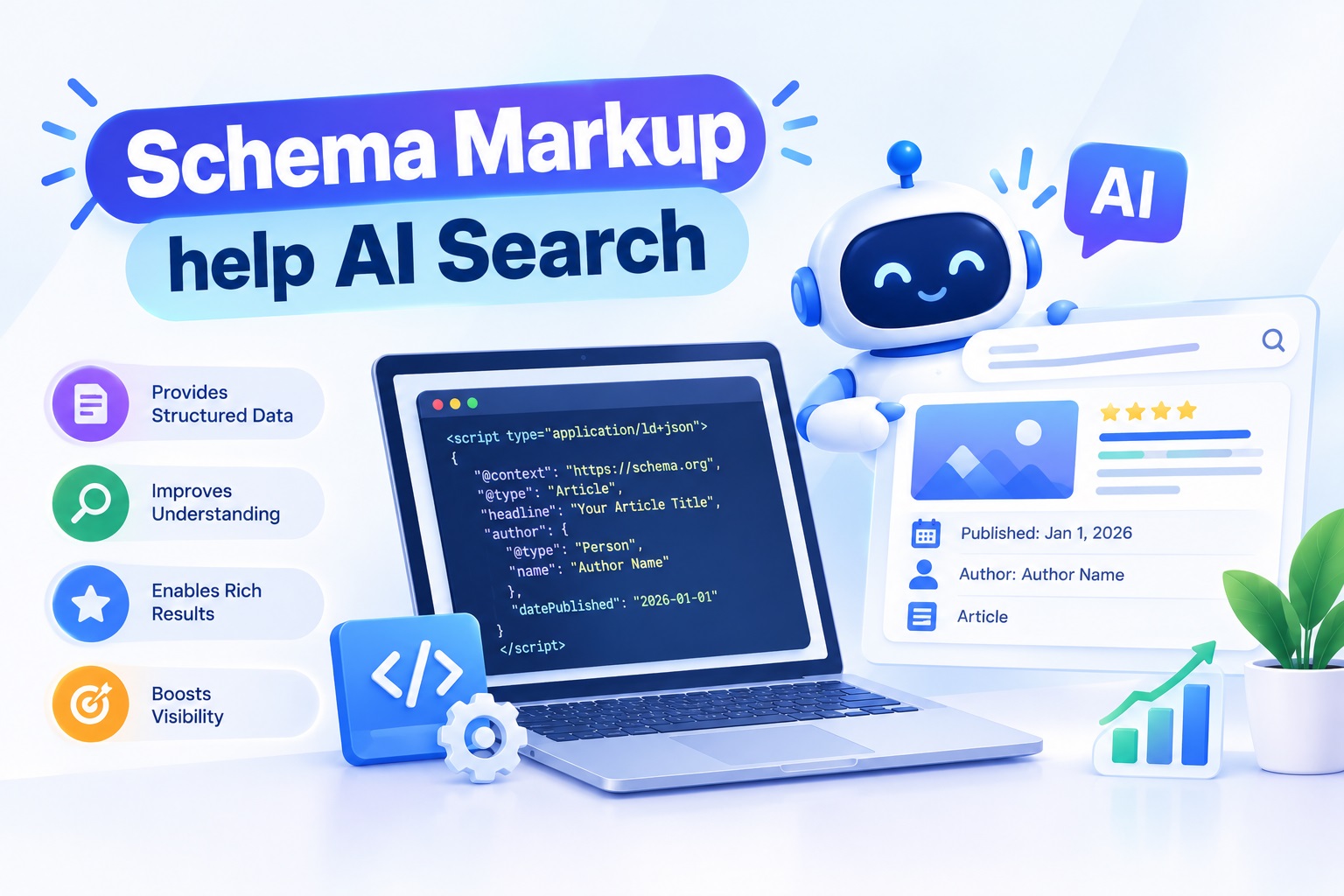
Structured data helps search engines interpret information about a webpage and its content. Depending on the page, relevant schema types may include Article, Organization, BreadcrumbList and Product.
For example, an article about AI Overview SEO can use appropriate Article structured data to describe its headline, author and publication details, provided those details match the visible page.
However, schema markup is not a shortcut to AI Overview rankings. Google does not require special AI-specific schema to appear in AI Overviews.
Implement structured data accurately, validate it with Google’s Rich Results Test where applicable, and avoid adding information that users cannot verify on the page.
7. Build Strong Internal Links and Relevant Authority
Internal links help search engines discover related pages and understand how your content fits into a website’s broader subject coverage.
For example, an article about AI Overview SEO could link to relevant guides on technical SEO, Generative Engine Optimisation, Answer Engine Optimisation and content strategy.
This creates a connected content structure that helps users explore related subjects.
External references can also strengthen the usefulness of an article when they support factual claims. Earn relevant backlinks by publishing original research, useful resources and expert insights rather than relying on manipulative link-building tactics.
Authority should be built through consistent expertise and valuable content, not simply through the number of links pointing to a website.
8. Keep Content Accurate, Fresh and Original
AI-powered search experiences need reliable information, particularly when questions involve changing technologies, statistics or industry developments.
Review important articles regularly and update outdated facts, broken links, examples and recommendations. Make meaningful improvements instead of changing publication dates without updating the content.
Original research, real examples, expert commentary and practical explanations can make your content more valuable than articles that simply summarise competing pages.
These practices support Google’s established quality principles and improve the usefulness of your website for readers.
How to Measure Your AI Overview SEO Performance
AI Overview visibility should be evaluated alongside your broader organic search performance.
Use Google Search Console to monitor impressions, clicks, search queries and landing-page trends. Review changes after updating content and compare performance over time rather than judging success from a single search.
Where reporting is available, separate identifiable AI search referral traffic from traditional organic visits. You can also manually inspect relevant queries to see whether your pages appear as supporting links, remembering that results may vary by query, location and time.
Focus on measurable improvements in visibility, qualified traffic, engagement and conversions rather than treating an AI Overview citation as the only measure of success.
Common AI Overview SEO Mistakes to Avoid
Avoid keyword stuffing, publishing large volumes of repetitive AI-generated articles, copying competitors and making unsupported claims about ranking guarantees.
Do not assume that adding FAQ sections, schema markup or a specific word count will automatically improve AI Overview visibility. These elements are useful only when they serve a genuine purpose.
Instead, prioritise accessible webpages, clear answers, original information, accurate sourcing and a positive user experience.
Improve Your Visibility in Google’s AI Search Results
Ranking in Google’s AI Overview requires a sustainable approach that combines strong technical SEO with genuinely helpful content. By answering questions clearly, targeting relevant long-tail keywords, demonstrating expertise and improving website accessibility, you can strengthen your chances of being discovered through evolving search experiences.
SEOBuckinghamshire, a UK SEO company, helps businesses improve organic visibility through technical SEO, content optimisation and strategic search marketing. A well-planned approach to AI search optimisation can help your website build stronger topical relevance while supporting long-term organic growth.
Start by reviewing your existing content, identifying unanswered user questions and improving your most valuable pages. Consistent improvements, backed by performance data and Google’s official guidance, provide a more reliable foundation for long-term search visibility.
If you’re looking for expert SEO services to help manage content audits, updates, and optimization strategies, reach out to SEO Buckinghamshire—a leading digital agency in the UK with over 10 years of experience in SEO, web design, and digital marketing.